Dehydrated Coal Tar About
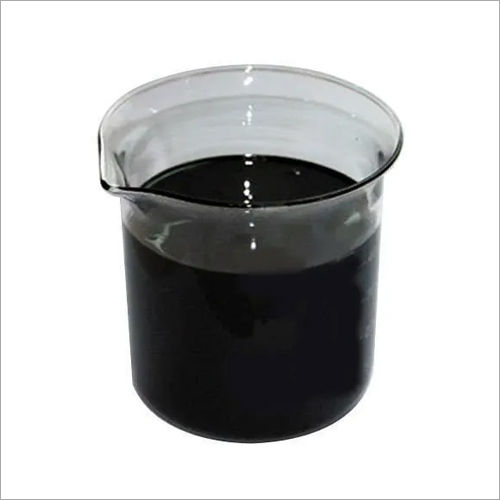
Dehydrated Coal Tar is a thick, dark liquid that is created when coal is processed to make coke and coal gas. A creosote of a certain kind, it. It is used in both medicinal and industrial settings. For the treatment of psoriasis and seborrheic dermatitis, it is a topical medicine used on the skin (dandruff). Combining it with UV light treatment is an option for the better use of Dehydrated Coal Tar.
Reliable Performance in Infrastructure ProjectsDehydrated Coal Tar is highly regarded for its efficacy in infrastructure segments such as road construction and waterproofing. Its composition, featuring high fixed carbon and optimal calorific values, ensures lasting results and excellent protection against moisture and wear.
Versatile Industrial UsesApart from road construction, this product excels in various industrial surface coating applications where a tough, moisture-resistant barrier is needed. The dehydrated liquid form allows for easy handling and uniform application, making it ideal for both large-scale and specialized projects.
FAQs of Dehydrated Coal Tar:
Q: How is dehydrated coal tar used in road construction?
A: Dehydrated coal tar is applied as a binder and protective layer in road construction. Its high purity and low moisture content ensure strong adhesion to surfaces, enhancing durability and resistance to heavy traffic and environmental wear.
Q: What is the benefit of using dehydrated coal tar for waterproofing?
A: Due to its composition and distinct waterproofing properties, dehydrated coal tar creates a robust moisture-resistant barrier on surfaces. This effectively protects structures from water ingress, extending their lifespan and reducing maintenance costs.
Q: When should dehydrated coal tar be applied for best results?
A: For optimal performance, it is recommended to apply dehydrated coal tar during dry, moderate weather to ensure proper adhesion and effective curing. Avoid application during rainy or excessively hot conditions for maximum durability.
Q: Where should the product be stored to maintain quality?
A: Dehydrated coal tar must be stored in a dry, cool environment, preferably in sealed drums or barrels. Proper storage prevents moisture absorption and maintains the liquids high purity and performance characteristics.
Q: What is the process for applying dehydrated coal tar as a surface coating?
A: The process involves cleaning the surface, applying the dehydrated coal tar evenly using appropriate equipment, and allowing it to cure. The liquids viscosity aids in forming a uniform, protective film that resists abrasion and moisture.
Q: What advantages does high calorific value offer in surface applications?
A: A gross calorific value of 7500 Kcal/kg signifies robust energy release and superior binding capacity. This translates to enhanced sealing and long-lasting performance in applications like road construction and protective coatings.








 Send Inquiry

 Send Inquiry
